Bangkok Neighborhoods
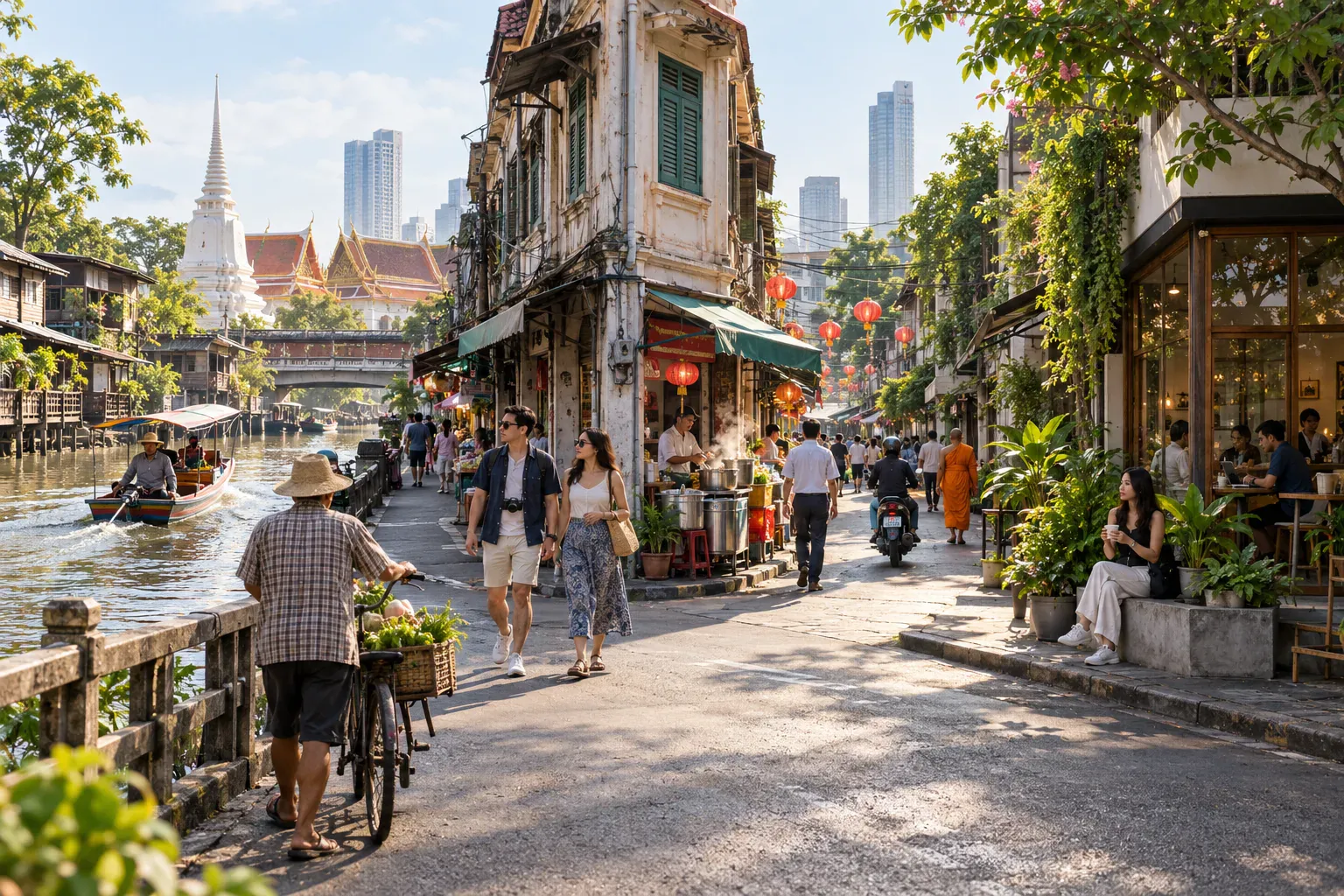
Understand Bangkok through its distinct districts, from royal Rattanakosin and Chinatown to riverside communities, commercial Siam, and residential Ari.
Bangkok Neighborhoods at a glance
Historic core
- Rattanakosin
Food and texture
- Yaowarat/Talat Noi
Modern center
- Siam
Green and polished
- Sathorn
The main visitor areas
Rattanakosin holds the Grand Palace and major temples. Yaowarat and Talat Noi combine Chinese-Thai heritage, food, shrines, workshops, and creative spaces. The riverside links old communities with hotels and cultural sites.
Siam is the central shopping and rail interchange. Sukhumvit stretches across multiple neighborhoods rather than functioning as one place. Silom and Sathorn mix business, dining, nightlife, and access to major parks.
Areas worth a slower day
Ari offers cafés and residential streets; Thonburi reveals canals and west-bank communities; Bang Rak connects food history with the river; Dusit has civic and royal-era institutions. Each works best when explored as a neighborhood rather than a list of pins.
- Group adjacent stops
- Use rail or boats to reach the district
- Walk early or late to avoid peak heat
- Dress for active temples and local communities
- Keep noise and photography considerate
Avoid the “best neighborhood” trap
The right area depends on the trip. Select one base for convenience, then explore contrasting districts during the day. Bangkok’s size makes changing hotels for a short stay rarely worthwhile.
Use contrasting neighborhood days
A strong first contrast pairs royal Rattanakosin with the working river and then compares it with Chinatown and Talat Noi. A second contrast can connect commercial Siam with the greenery around Lumphini and Benjakitti, or modern Sukhumvit with quieter Ari.
The goal is not to declare one district authentic and another modern. Each contains residents, businesses, places of worship, and layers of development that become clearer when explored at walking pace.
Read the neighborhood before photographing it
Talat Noi, canal communities, markets, and residential lanes are lived-in places rather than open-air sets. Keep doorways clear, ask before photographing identifiable people, and reduce noise near homes and shrines.
Use established businesses and community-led experiences when possible. Spending on a meal, guide, craft, or drink is more respectful than treating a neighborhood only as a background.
- Stay on public routes
- Do not enter private courtyards
- Keep groups compact
- Avoid blocking working stalls and footpaths
Plan the next step from Bangkok Neighborhoods
Bangkok works best when places in the same district share a day. Use these guides to connect this topic with transport, food, timing, and nearby experiences:
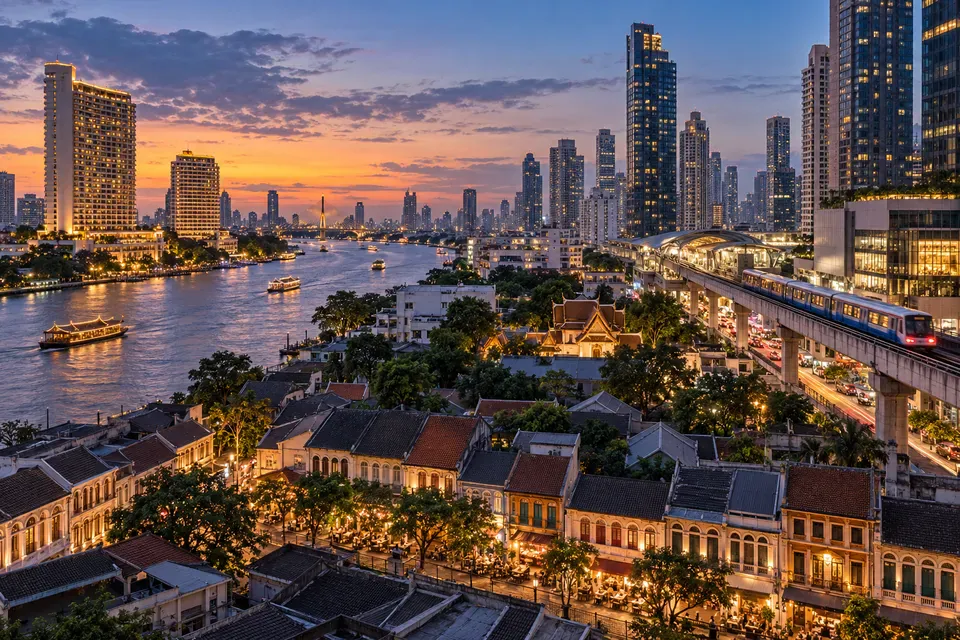
Where to stay in Bangkok
Compare the district, atmosphere, and access before choosing a base.
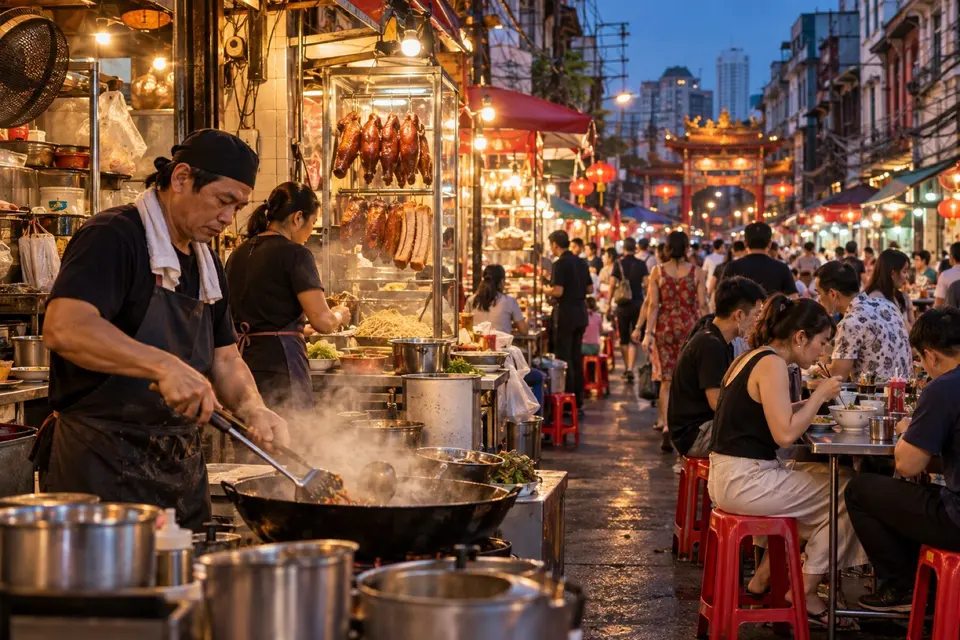
Bangkok food and street food
Add a food or market stop that fits the same part of the city.
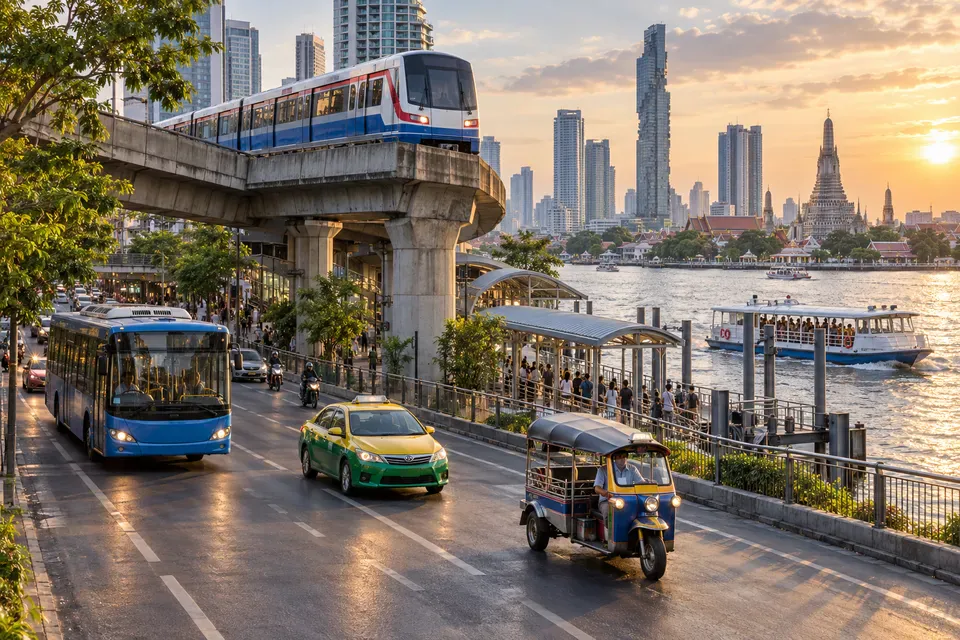
Getting around Bangkok
Connect the route to realistic Bangkok travel time and arrival choices.