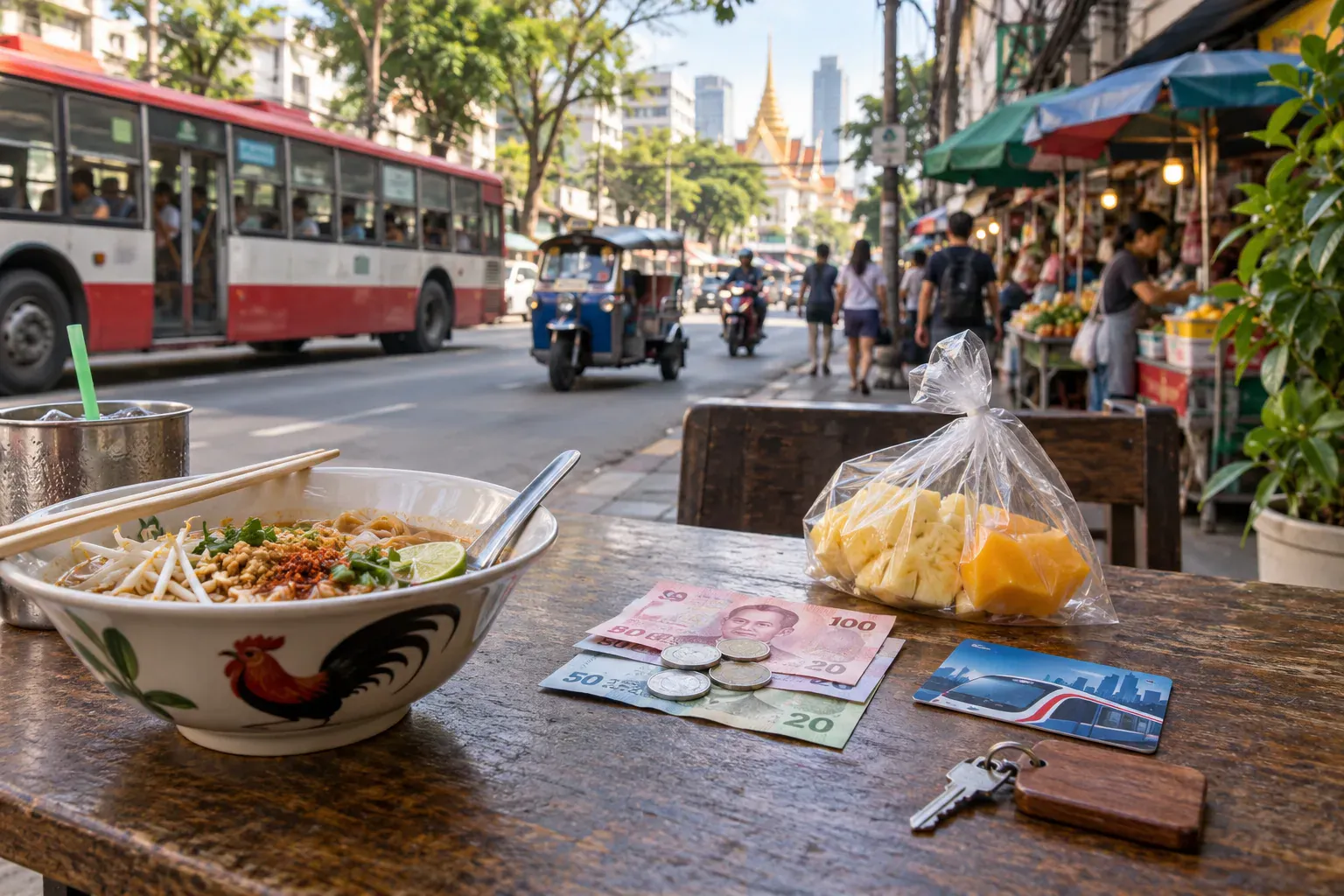
Bangkok Trip Budget
Estimate Bangkok spending across rooms, local food, restaurants, rail, taxis, attractions, nightlife, shopping, and day trips.
Bangkok Trip Budget at a glance
Biggest variable
- Accommodation
Best-value transport
- Rail and public boats
Easy saving
- Eat locally
Budget buffer
- 10–20%
Build a category budget
Accommodation ranges from hostels and simple guesthouses to luxury river hotels. Food can stay inexpensive with local restaurants and markets, while international dining, rooftops, tasting menus, and nightlife expand the total quickly.
Price the specific attractions you intend to visit rather than using one generic daily figure. Major royal sites and guided excursions can outweigh several days of local transport.
Control transport costs
Rail and public boats are usually efficient for one or two travelers. Taxis and ride-hailing become competitive for groups but are vulnerable to traffic. A cheap distant hotel can create higher daily transport costs and lost time.
- Budget accommodation before flights are locked
- Keep cash for markets and small vendors
- Check service charge and tax
- Set a separate shopping allowance
- Retain an emergency reserve
Avoid false savings
The lowest-priced tour, transfer, or ticket reseller may omit fees or create safety and reliability problems. Pay for legitimate transport, appropriate insurance, and reputable operators before spending on upgrades.
Build three Bangkok budget levels
A value-focused plan combines a transit-accessible room, local restaurants, public rail and boats, and a small number of paid attractions. A comfortable plan adds a stronger hotel location, regular app rides or taxis, reserved restaurants, and guided activities. A premium plan is shaped mainly by room category, destination dining, private transport, nightlife, and shopping.
Use these as structures rather than fixed daily prices. Enter current quotes for the dates and travel style that actually apply.
Payments and hidden categories
Keep cash for markets, small food businesses, and transport situations where cards are impractical. Check foreign-exchange and ATM fees with your own provider, and keep a backup method separately.
Budgets often miss airport transfers, hotel deposits, service charges, nightlife minimum spends, baggage, laundry, shopping, and the cost of changing plans during heavy rain.
- Separate prepaid and in-city spending
- Keep shopping outside the daily essentials total
- Add an emergency reserve
- Do not count the reserve as ordinary spending money
Plan the next step from Bangkok Trip Budget
Bangkok works best when places in the same district share a day. Use these guides to connect this topic with transport, food, timing, and nearby experiences:
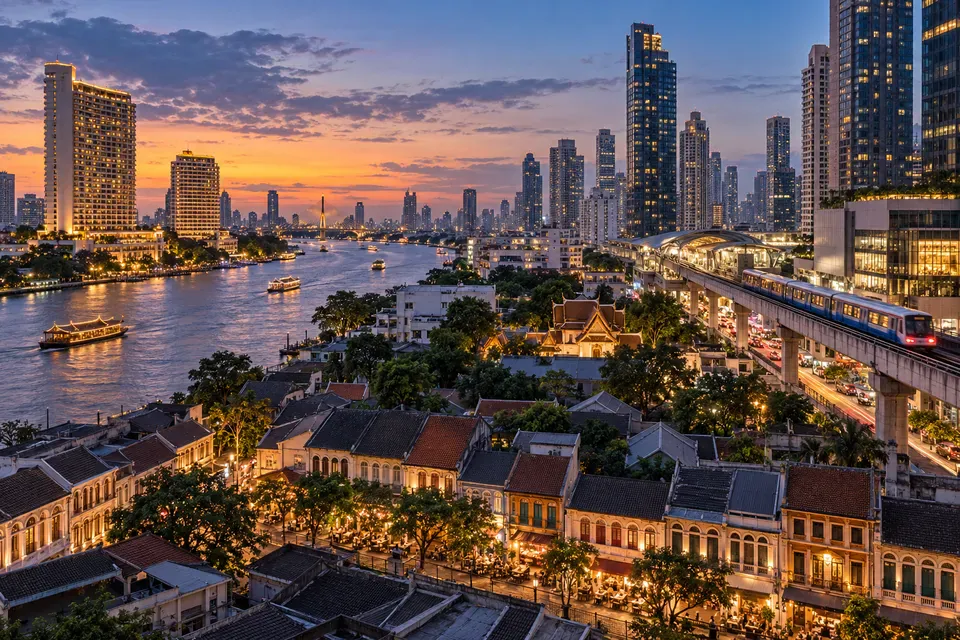
Where to stay in Bangkok
Compare the district, atmosphere, and access before choosing a base.
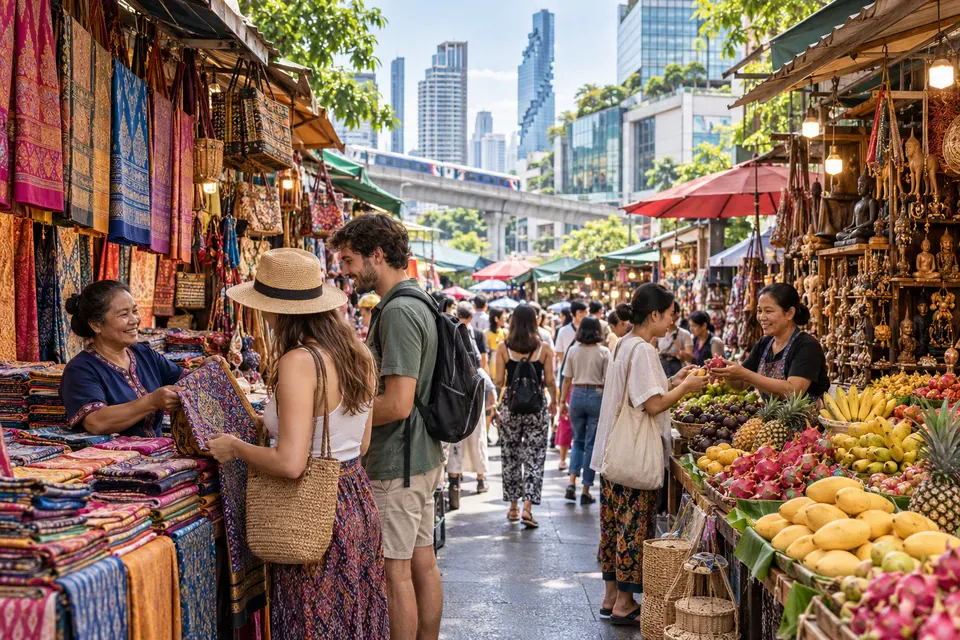
Bangkok markets and shopping
Add a food or market stop that fits the same part of the city.
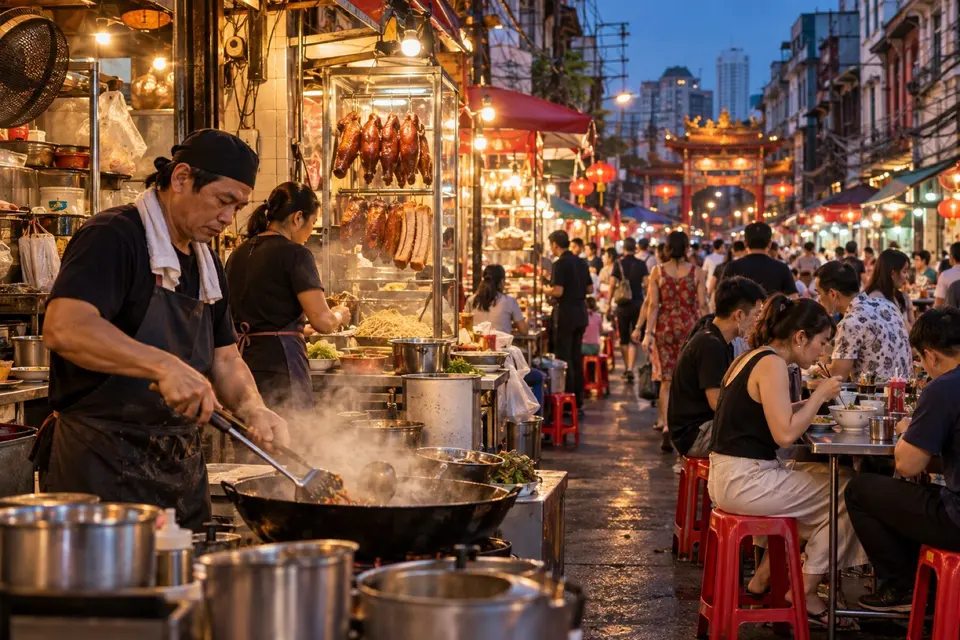
Bangkok food and street food
Add a food or market stop that fits the same part of the city.